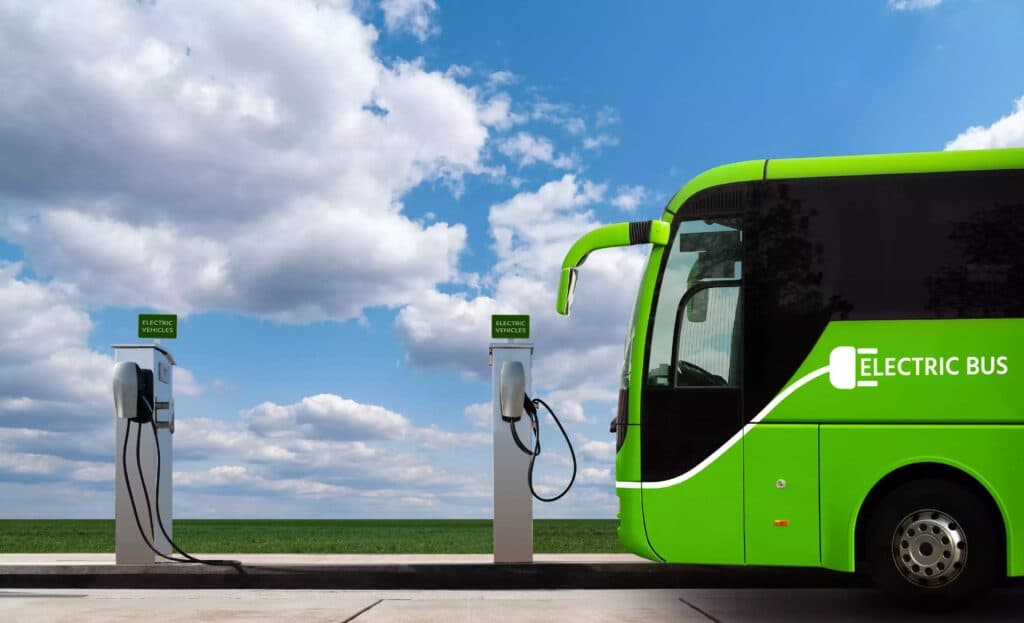
Andhra Pradesh Southern Power Distribution Company Limited (APSPDCL) is accelerating the development of electric vehicle charging infrastructure to support the expanding deployment of electric buses operated by the state’s public transport network.
The initiative is aimed at strengthening charging readiness for electric RTC buses across Andhra Pradesh as the state pushes toward cleaner and more sustainable urban transportation systems. Officials stated that the fast-tracked infrastructure rollout will help improve operational efficiency, reduce emissions, and support the long-term electrification of public mobility services.
According to reports, APSPDCL is working on establishing dedicated charging stations and strengthening power distribution infrastructure at multiple RTC depots and operational hubs to facilitate reliable charging access for electric bus fleets. The utility is coordinating with transport authorities and infrastructure agencies to ensure uninterrupted power supply and charging efficiency.
The expansion of charging infrastructure comes as Indian states increasingly adopt electric buses under various central and state government clean mobility programmes aimed at reducing urban pollution, lowering fuel dependency, and modernising public transport systems. Electric buses are being viewed as a key component of India’s broader energy transition strategy.
Officials indicated that the charging stations are expected to support both overnight depot charging and fast-charging operations depending on route requirements and fleet deployment patterns. Upgradation of electrical systems, transformers, and distribution networks is also being undertaken to manage rising power demand linked to EV mobility infrastructure.
India’s public transport electrification market has been witnessing rapid growth due to government incentives, falling battery costs, and increasing environmental concerns. Multiple cities and state transport undertakings are currently introducing electric buses to improve urban mobility while reducing operating emissions and fuel expenses.
Andhra Pradesh has been actively promoting EV adoption across public transport, logistics, and urban mobility sectors as part of its sustainable infrastructure development agenda. The state has also been encouraging investments in EV manufacturing, battery systems, charging networks, and renewable energy integration.
Industry experts noted that charging infrastructure remains one of the most critical factors in successful large-scale electric bus deployment. Reliable high-capacity charging systems, grid stability, and efficient energy management are essential for maintaining operational continuity in public transport networks.
The move also aligns with India’s broader objective of reducing carbon emissions and increasing the share of electric mobility in the transportation sector. Government programmes such as FAME India and state EV policies continue to support investments in charging infrastructure and electric public transport adoption.
Urban mobility analysts believe accelerated charging infrastructure deployment could significantly improve the pace of public transport electrification in Andhra Pradesh while creating a scalable model for other states pursuing sustainable transit solutions. The expansion is expected to contribute to cleaner cities, lower operating costs for transport utilities, and long-term energy transition goals.