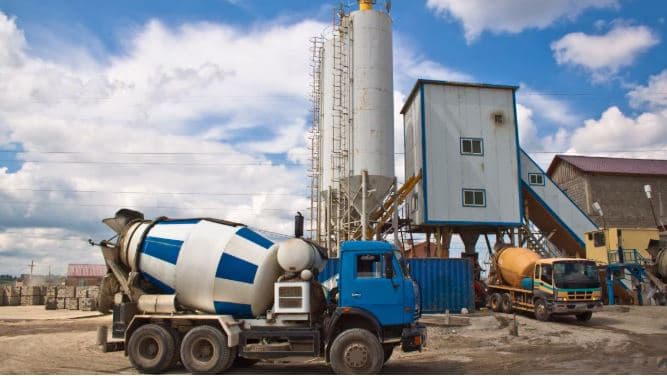
India’s cement industry is expected to witness a modest price increase of 1–3% in the current financial year, as manufacturers attempt to partially offset rising input costs, according to a report by CRISIL.
The projected price hike comes amid significant cost pressures, particularly from energy expenses, which account for nearly 26–28% of total production costs. Power and fuel costs are expected to rise by 10–12% year-on-year, driven by elevated prices of crude oil, pet coke, and thermal coal, largely influenced by geopolitical tensions in West Asia.
Despite the anticipated price increase, the report indicates that profitability will remain under pressure, with operating margins expected to decline by 150–200 basis points to around 16–18%, reversing gains seen in the previous fiscal.
Cement companies are expected to achieve average realisations of ₹355–₹360 per bag, but competitive intensity and ongoing capacity additions across regions are likely to limit the scope for sharper price hikes.
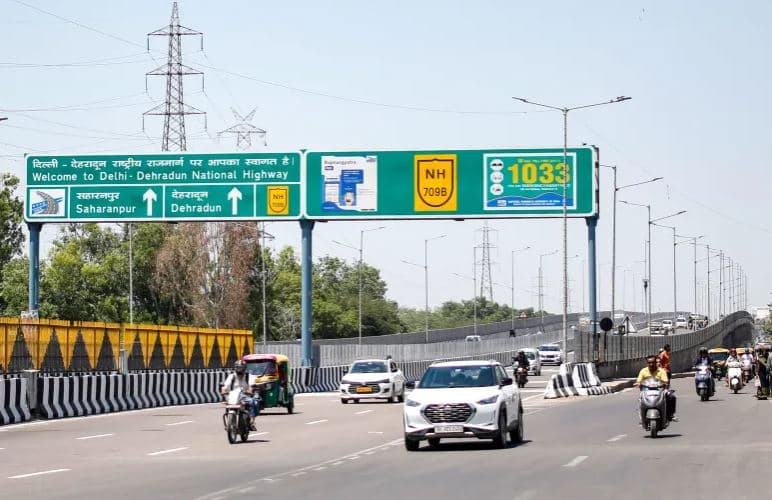
On the demand side, the outlook remains positive, with cement consumption projected to grow between 6.5% and 7.5%, supported by sustained activity in infrastructure development, industrial construction, and commercial real estate segments.
However, the report highlights that while steady demand and incremental price hikes may support revenue growth, they are unlikely to fully offset the impact of rising costs. Total production costs are expected to increase by 4–6%, putting further pressure on margins. Additional risks to the sector include volatility in global energy markets, monsoon performance, labour availability, and the pace of infrastructure execution, all of which could influence demand and pricing dynamics in the coming months.
The cement sector is expected to remain on a stable demand footing, but with moderate pricing power and compressed margins, reflecting the ongoing balance between cost escalation and competitive market conditions.