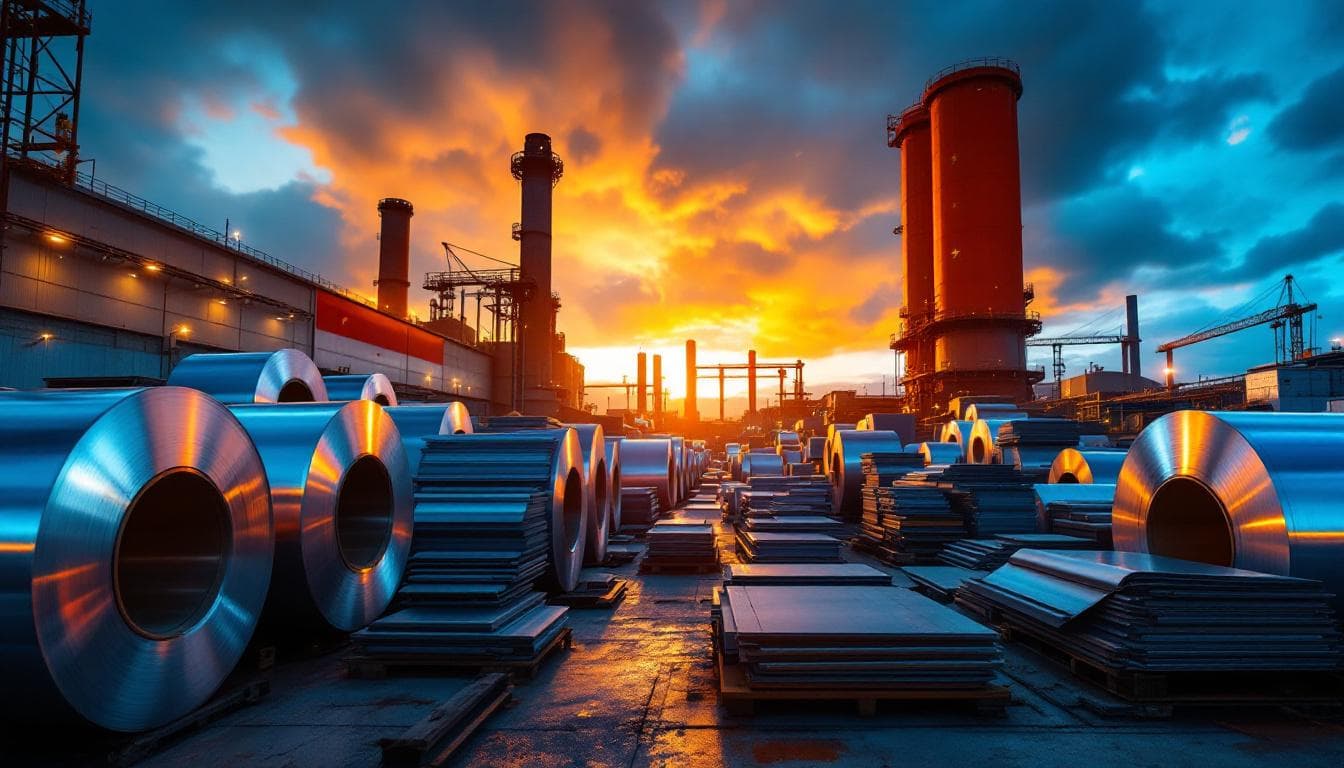
China’s steel exports declined in April 2026, with cumulative shipments during the first four months of the year falling to their lowest level since 2023 amid rising global trade barriers, export restrictions, and weaker overseas demand.
According to customs data, China’s steel exports fell 9 per cent year-on-year in April, continuing the slowdown seen since the beginning of 2026. Total steel exports during January–April stood at around 34.2 million tonnes, marking a 9.7 per cent decline compared to the same period last year.
Industry analysts attributed the decline to increasing anti-dumping investigations and safeguard duties imposed by multiple countries against Chinese steel products. Trade actions targeting Chinese steel have intensified across major importing regions including Brazil, Vietnam, South Korea, Turkey, and parts of Europe.
China also introduced a new export licensing system for a wide range of steel products from January 2026, adding further regulatory scrutiny to outbound shipments. The controls cover flat steel, long products, semi-finished steel, pipes, and rail products as Beijing attempts to manage exports and address growing global trade tensions.
Despite the decline in finished steel exports, shipments of semi-finished steel products such as billets and slabs have remained relatively strong. Market participants said Chinese producers have increasingly shifted towards semi-finished exports because most anti-dumping duties globally currently target finished steel products.
According to S&P Global data, China’s slab exports rose sharply during the first quarter of 2026, partly due to supply disruptions from Iran following geopolitical tensions in the Middle East. The supply gap created opportunities for Chinese exporters to increase semi-finished steel shipments to overseas buyers.
However, analysts noted that higher domestic steel prices, weak property sector demand, and slowing global industrial activity continue to pressure China’s steel industry. The country’s steel producers are also facing narrowing profit margins as domestic consumption remains subdued despite government efforts to stabilise the real estate sector.
China had recorded a historic high of over 119 million tonnes in steel exports during 2025 as producers relied heavily on overseas markets to offset slowing domestic demand. The current decline indicates that external trade conditions are becoming increasingly challenging for Chinese steelmakers in 2026.
Industry observers believe the reduction in Chinese steel exports could provide some pricing support to global steel markets and create opportunities for producers in countries such as India, Vietnam, and parts of Europe as supply pressures from Chinese exports begin to moderate.