Political transitions in South Asia rarely stay confined within national borders.
Bangladesh’s recent shift toward a declared “Nation First” foreign policy signals not just a change in tone, but potentially a recalibration of regional power dynamics. While such messaging prioritises sovereignty and domestic interests — a legitimate stance for any government — its implications for India and the broader South Asian balance of power deserve careful attention.
The Strategic Triangle
Bangladesh sits at a geopolitical crossroads. It shares deep economic ties with India, expanding infrastructure cooperation with China, and evolving engagement with Western economies.
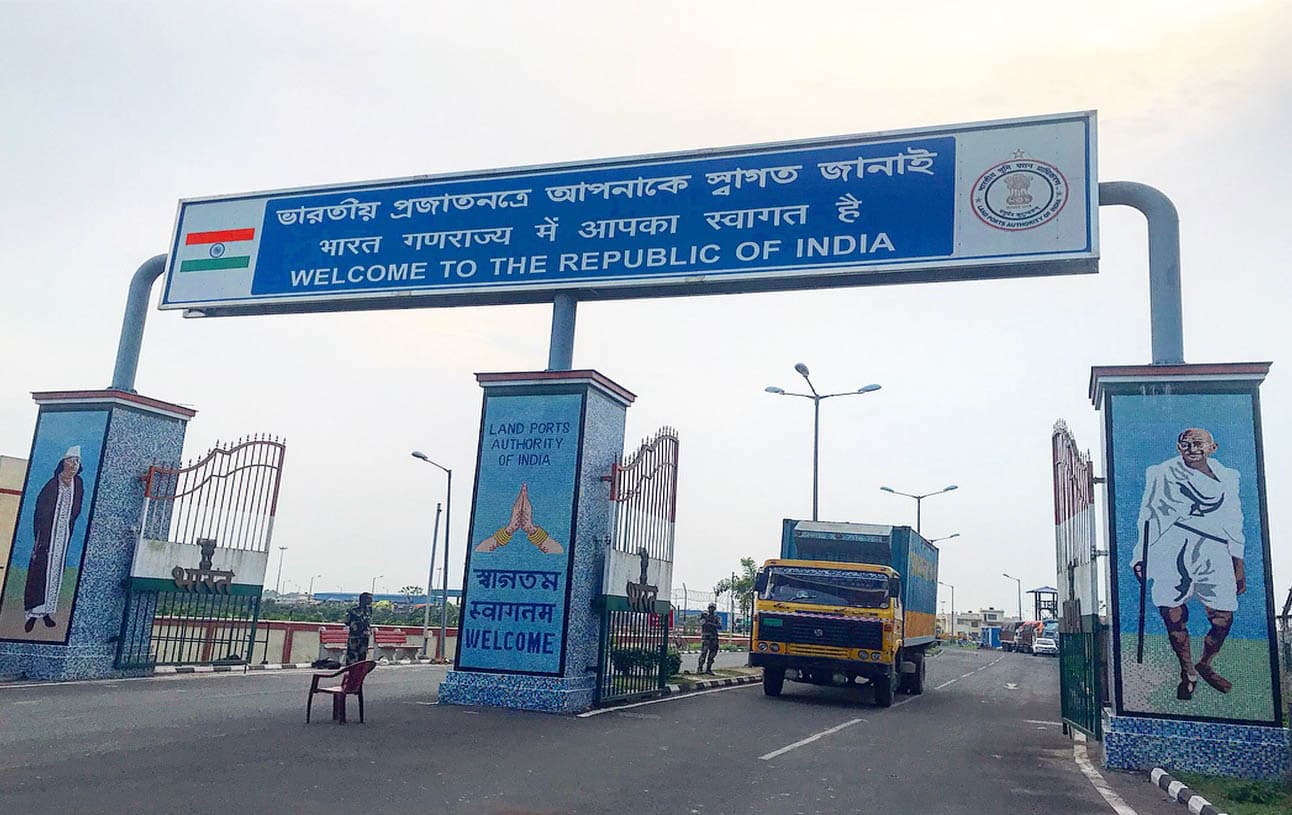
For India, Bangladesh is more than a neighbour — it is central to connectivity with the Northeast, regional trade corridors, and maritime security in the Bay of Bengal.
A balanced approach from Dhaka could stabilise the region. A competitive alignment strategy, however, could complicate it.
India’s Diplomatic Challenge
India must avoid viewing “Nation First” rhetoric as confrontation. Instead, New Delhi should interpret it as an opportunity to reset partnerships on clearer economic and strategic terms.
The future of India-Bangladesh relations will depend on:
- Trade balance management
- Border security cooperation
- Energy and water-sharing frameworks
- Counter-extremism coordination
- Connectivity projects
Diplomacy in this context requires subtlety, not reaction.
The China Factor
China’s infrastructure investments across South Asia have reshaped regional economics. Bangladesh has benefited from ports, power projects and development finance.
India must compete not through rhetoric, but through delivery — faster project execution, transparent financing, and mutually beneficial trade.
Regional influence today is earned through economic performance, not historical narratives.
A Maturing South Asia
Perhaps the larger story is this: South Asian nations are asserting policy independence in a multipolar world.
This is not inherently anti-India. It reflects a broader global shift where middle powers seek diversified partnerships.
The real test lies in whether regional diplomacy evolves toward cooperation — or slips into suspicion.
Bangladesh’s shift is not a crisis. It is a moment.
How India responds will shape the next decade of South Asian stability.