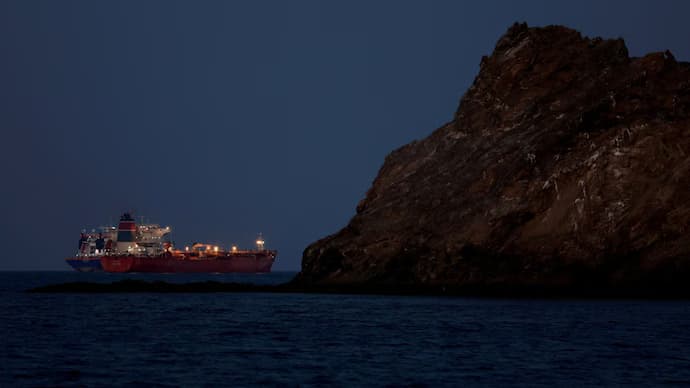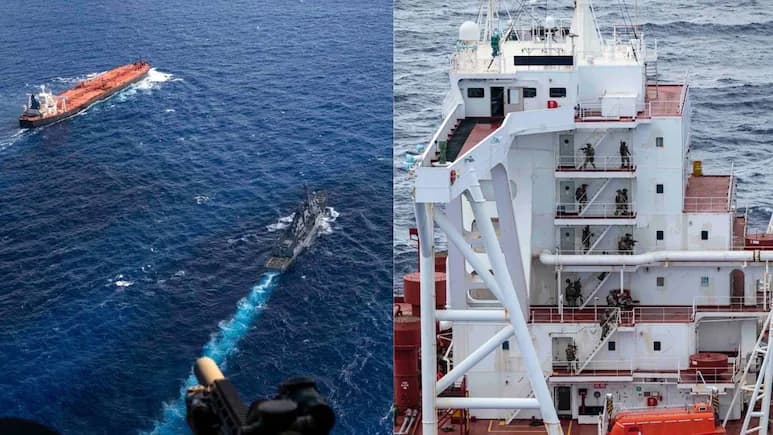
In a significant maritime enforcement operation, United States military forces boarded the oil tanker Veronica III in the Indian Ocean after tracking the vessel from the Caribbean Sea. The interception is part of Washington’s intensified crackdown on oil shipments allegedly linked to Venezuela’s sanctioned crude exports.
According to a statement shared by the U.S. Department of Defense, the vessel was stopped under a “right-of-visit maritime interdiction operation.” Officials stated that the tanker attempted to evade restrictions imposed under a broader quarantine directive targeting vessels transporting Venezuelan oil.
Vessel Tracked Across Oceans
The Veronica III, a Panamanian-flagged oil tanker, reportedly departed Venezuelan waters on January 3 carrying nearly 2 million barrels of crude and fuel oil. Maritime tracking organizations indicated that the vessel had previously been associated with oil shipments involving Russian, Iranian, and Venezuelan networks.
Defense officials confirmed that U.S. forces followed the ship’s movements from the Caribbean into the Indian Ocean before conducting the boarding operation.
Video footage released by the Pentagon shows armed personnel securing the deck of the tanker during the interception.
Broader Sanctions Enforcement Campaign
Venezuela has been under strict U.S. oil sanctions for several years. Authorities allege that a network of falsely flagged or re-registered vessels — often described as a “shadow fleet” — has been used to transport crude oil in an effort to bypass global restrictions.
The recent maritime operations appear to be part of a broader strategy to tighten enforcement and disrupt unauthorized oil trade routes. However, U.S. officials have not clarified whether the Veronica III has been formally seized or what its ultimate status will be.
Earlier this month, another tanker — Aquila II — was also boarded in the Indian Ocean under similar circumstances. That vessel remains under review pending further decisions by U.S. authorities.
Geopolitical Implications
Energy analysts suggest that such operations may impact global crude supply chains, particularly in regions dependent on discounted oil exports. The interception signals Washington’s willingness to extend enforcement efforts beyond traditional maritime zones into broader international waters.
As of now, no official statement has been released by Venezuelan authorities regarding the boarding of the vessel.
Further updates are expected as the situation develops.